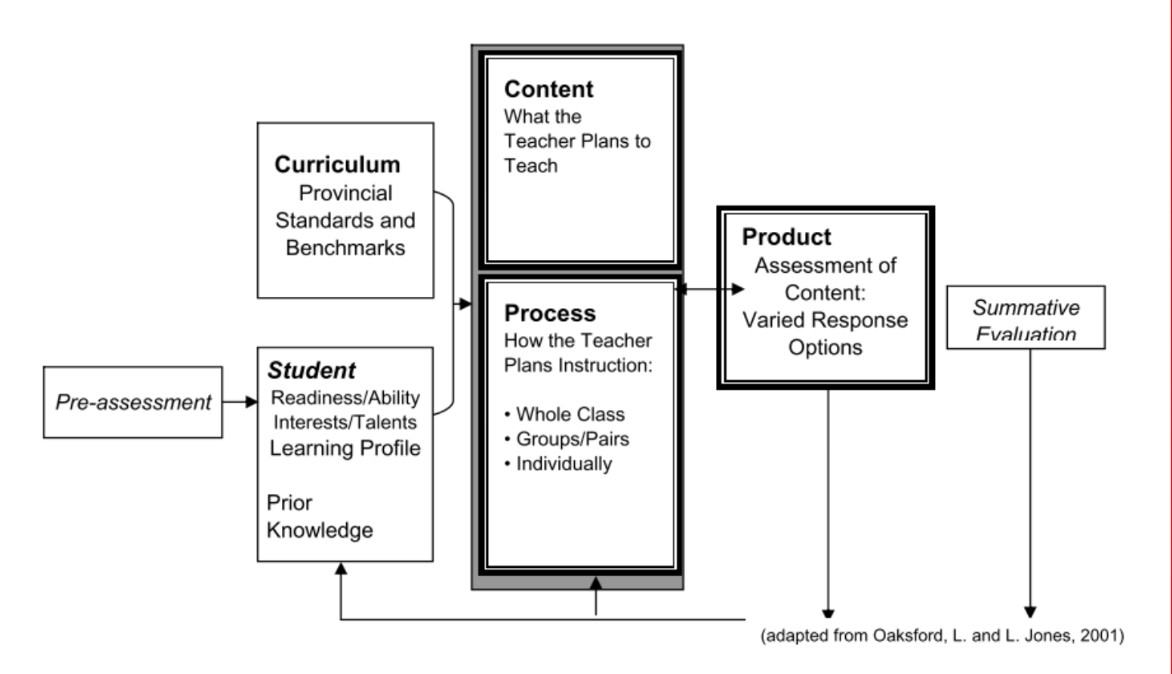
Differentiation of assessment
A differentiation model: Curriculum and student needs feed into content and process, leading to product and summative evaluation (adapted from Oaksford, L. and L. Jones, 2001).
Differentiated assessment
At the end of the unit, we gave students a choice in how they would demonstrate their learning and which resource they felt comfortable using. Some used bows, others worked without external materials, and others used ribbons. By differentiating the resource, we encourage students to perform with materials that let them demonstrate as much as they have learned during the unit.
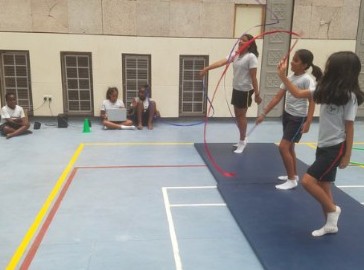
Formative assessment — Junior school
Formative assessment — Senior school
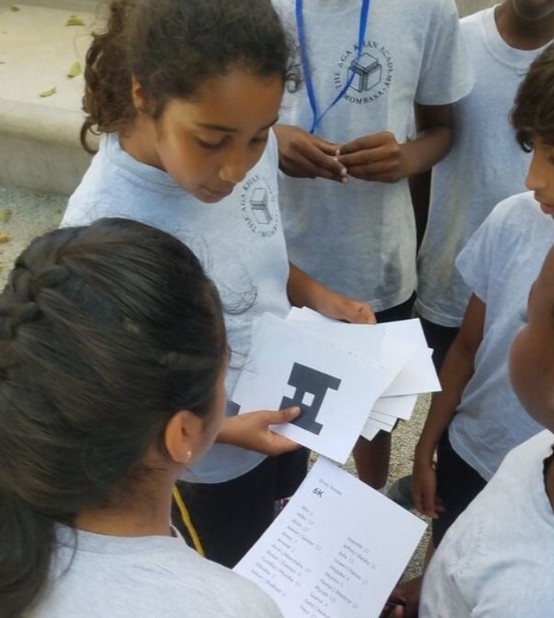
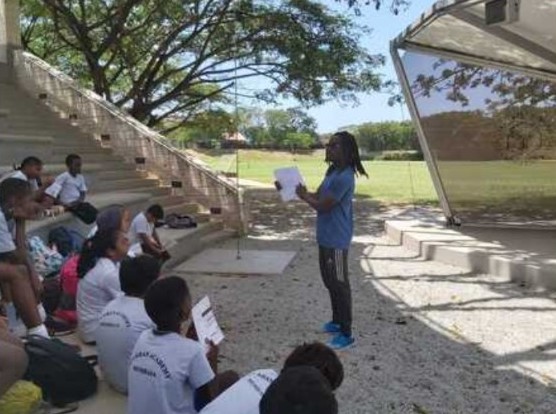
I use Plickers to assess my students in different ways. This time I mixed questions about the content we were covering (striking and fielding) with Approaches to Learning, focusing on communication skills, so I could collect information and see where they needed help, to focus on these points in future lessons.
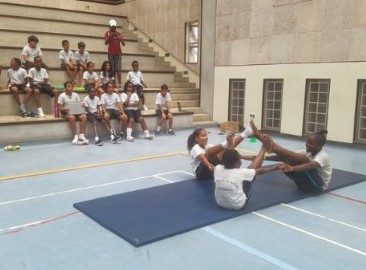
Students assessing each other after gymnastic performance
Year 6 — Summative assessment
We gave students the freedom to use resources of their choice to come up with a game — some used hoops, others scoops, balls or bats.
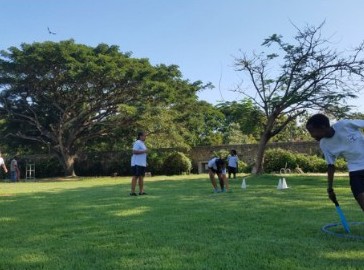
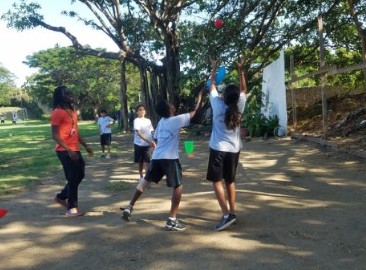
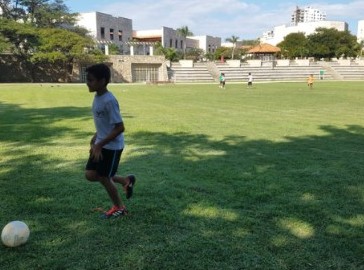
Year 10 — Summative assessment
Each student was assessed in the discipline they were coached in during the unit, so we had students doing javelin, long jump, high jump and discus.
Differentiated summative assessment — Gymnastics
Teams
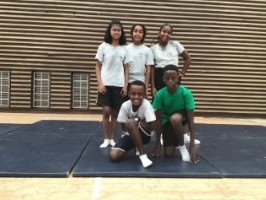
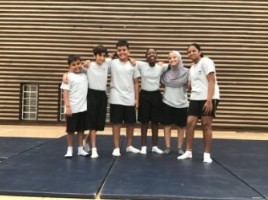
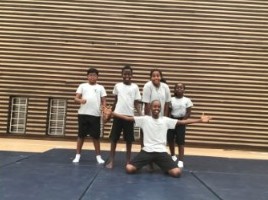
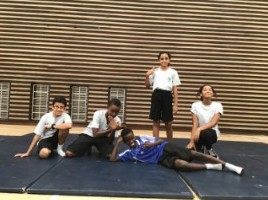
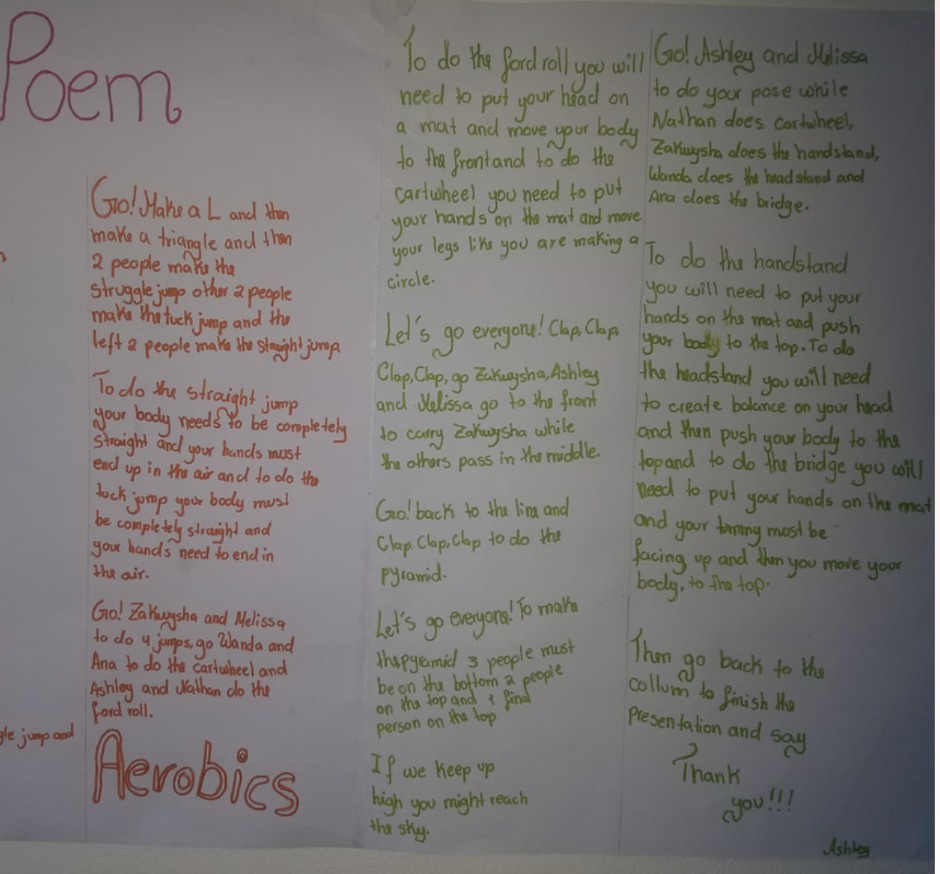
Criterion A task: Write poetry related to your routine, showing knowledge and understanding of all the elements of gymnastics you have used. Give a unique name to your poetry. You can present your poetry in different ways — written, video, audio, a poster, or a combination of two or more — ensuring it reflects your performance.
Performances
Poems
How to differentiate a summative assessment
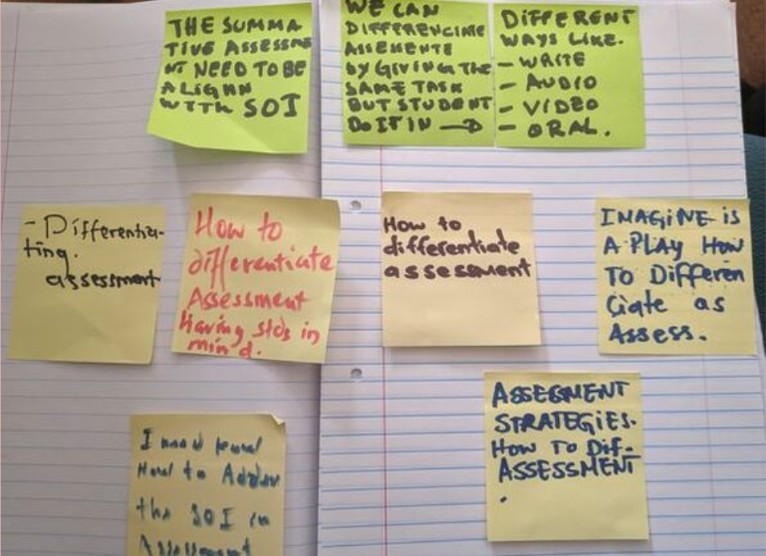
In a learning session with the MYP coordinator at Aga Khan Academy Mombasa, we wrote on green paper things we already knew and on yellow paper things we would like to know, then shared and explained how to differentiate a summative assessment and align it with the statement of inquiry.
Using data from previous assessment to support the student
In a Year 6 summative assessment, students showed knowledge and understanding of gymnastic elements through a poem. At the end I gave feedback so the student could improve the poem before submitting the final version.
Download the feedback document
Formative assessment for Criterion C
See the gymnastic routine feedback I gave students before they created a final routine for the summative assessment. Below is the final routine they presented for the summative assessment.
How can assessment be used to meet the needs of all learners?
I provide students with a variety of options for their assessments, and they choose according to their needs, using different resources for the same summative assessment.