Collaborative working
Planning unit for exchange program — Mombasa and Hyderabad
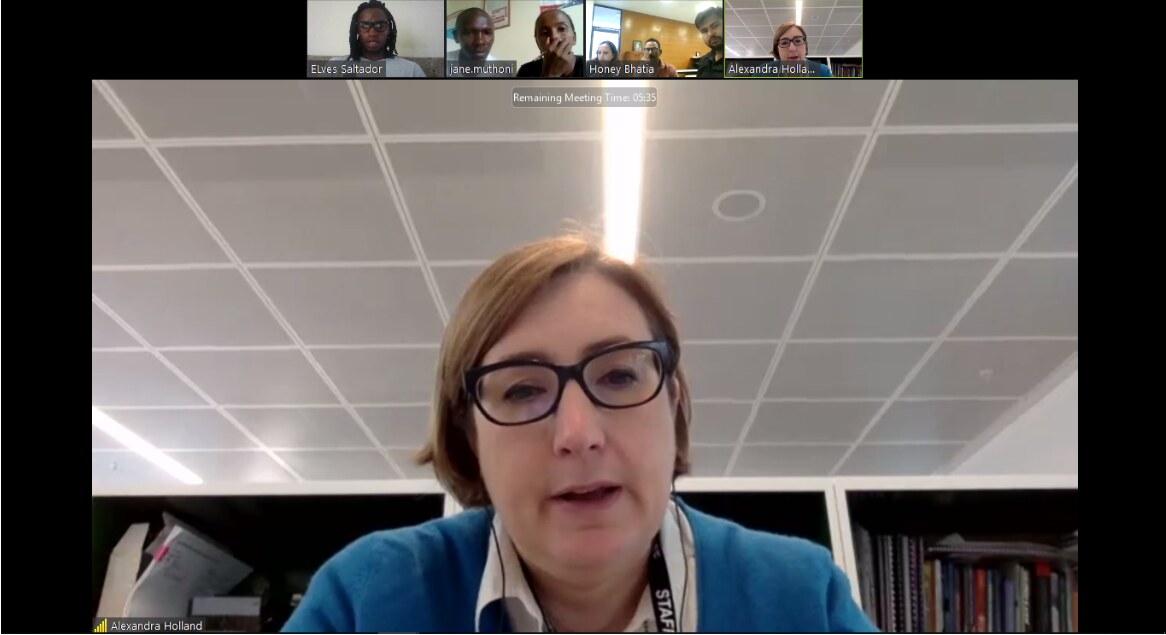
We used an online platform to meet so that we could join ideas to complete the IB unit for an exchange program — planning the track and field unit for Year 9. Mozambique will be doing the exchange in 2020, so it was good for me to be involved in this process, sharing my thoughts so that when we join, the process won't be new and we will be more confident and prepared for what is going to happen. I will also be teaching Year 9 during this program here in Mombasa, and I expect to learn a lot and understand all aspects of how the exchange program works.
Standardization
Standardization is a framework of agreements that all teachers must adhere to, to ensure that all students are assessed for performance within the defined guidelines; it also brings innovation and spreads knowledge.
In PHE we plan units together, discussing and deciding the tasks we give students to ensure all classes do the same thing — each teacher may use different strategies, but we are all looking at the same outcomes. Once students have done the work, we look at their samples together to moderate our judgements.
In this video, one of the students was being assessed on criterion C — Applying and performing. Students should be able to apply and demonstrate skills and techniques effectively, and apply and demonstrate strategies and movement concepts effectively. Each teacher had time to analyse the work and give their grade, and after that we started to discuss. I was very interested to see the teachers bringing different points from different perspectives; having all the teachers look at the same assessment work helps the teacher to see different points and also helps students to be assessed properly.
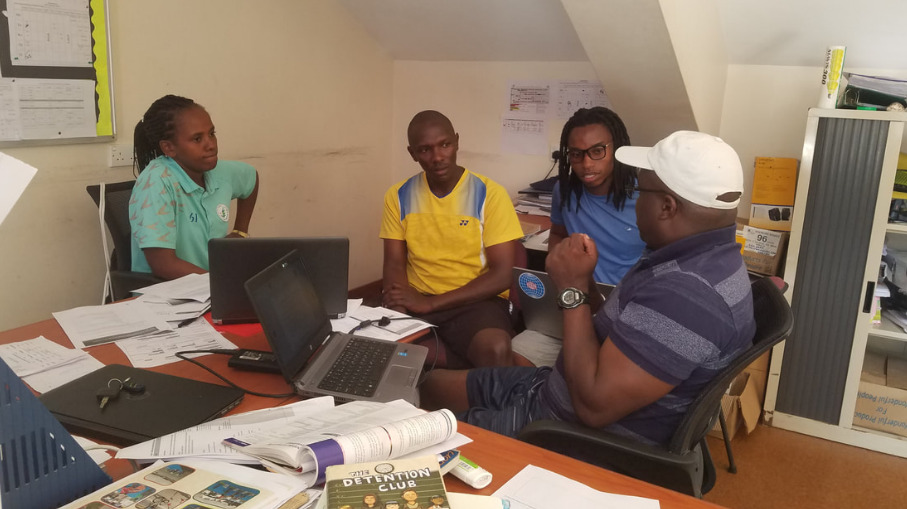
In this picture we have Miss Jane, the Head of Department, Jackson (PHE teacher), Elves (PHE teacher) and Mr. Ndungu (PHE teacher and Head of Sports). We were discussing the grades we gave students and sharing different views, and giving explanations why we gave a certain grade and not another.
This is one of the tasks we were discussing. It is an E-portfolio task and we were assessing criterion A, Knowing and understanding: students should be able to construct explanations using knowledge to demonstrate understanding, apply knowledge and understanding to solve problems set in familiar and unfamiliar situations, and apply terminology effectively to communicate understanding.
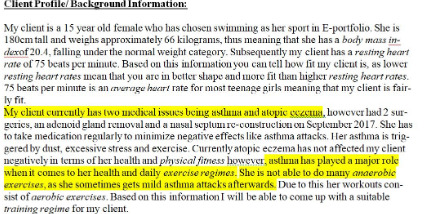
One of the points I observed while assessing was the yellow part I highlighted, where the student gives information that the client has some health issues. During this task she did well according to the discussion we had; she used very good terminology and knowledge on this criterion. But moving to criterion B, as we see below, she didn't make a connection between the health issues and her planning for a performance.
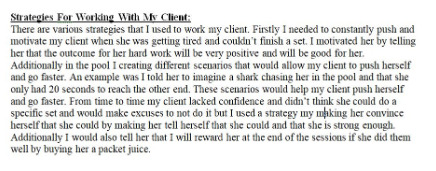
These strategies belong to criterion B, Planning for a performance. After the student collects information about the client in criterion A, the coach has to use that information to plan sessions with a goal to develop a certain technique or component. I was surprised not to see strategies for working with a client with asthma, because this was the main problem of this client.
These and other aspects we observed and shared with colleagues showed how important it is to share our points of view; we learn from them and we share what we have.
Planning for students with different needs during PD
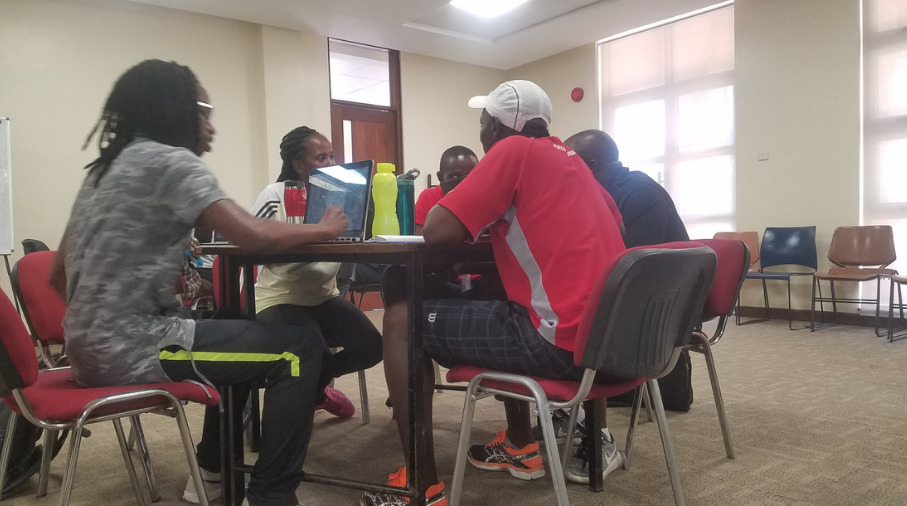
In this specific session, we discuss different strategies to teach and assess students with different needs.
Professional Development
Lesson Plan
Daily lesson plan template — Download file
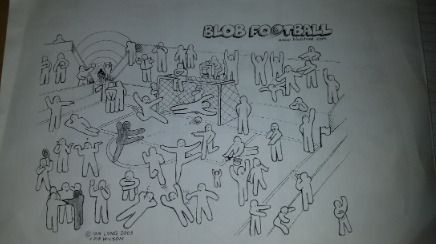
In professional development sessions we learn different content that helps us to work better with students and also facilitates our understanding of our daily activities, like planning.
The picture on the left was used to get information about how we feel about the new template of the lesson plan that I attached above. I had been using this template weeks before we talked about it in the PD, so I had time to share my doubts with my mentor and teachers with more experience.
In this session, each teacher gave a contribution to make it better, like adding ATLs and managing time according to your activities. In the picture, one person is discussing with others and another one is scoring — this was how I was feeling about the template: it facilitates my planning and helps me to understand the different aspects that I have to include during planning.
Digital Citizenship
www.commonsense.org/education/articles/12-great-lesson-plans-for-internet-safety
During PDs we did a workshop about digital citizenship and we saw how important it is to help teachers and parents understand what students should know to use technology appropriately. Technology is more than just a teaching tool that we can use in class; it is also a way to prepare students for a society full of technology.
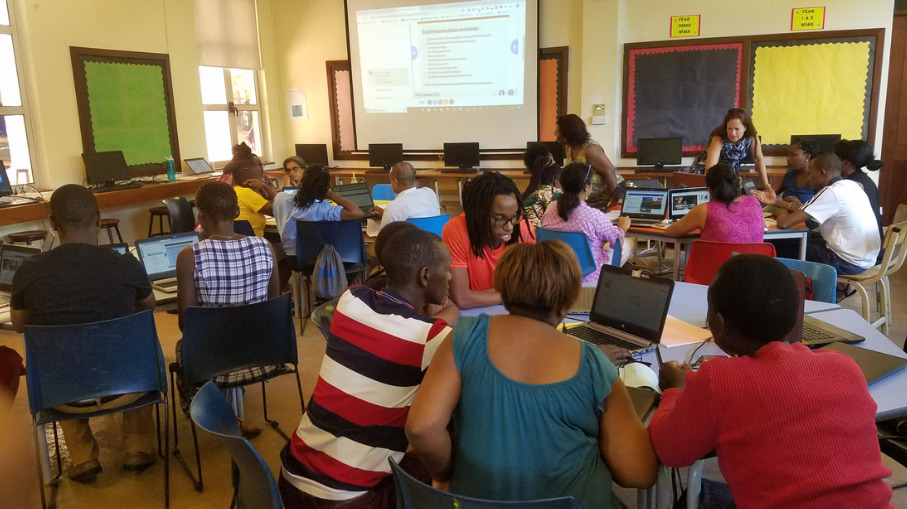
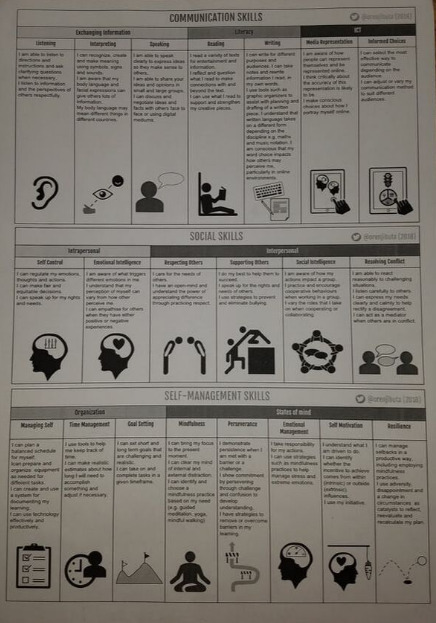
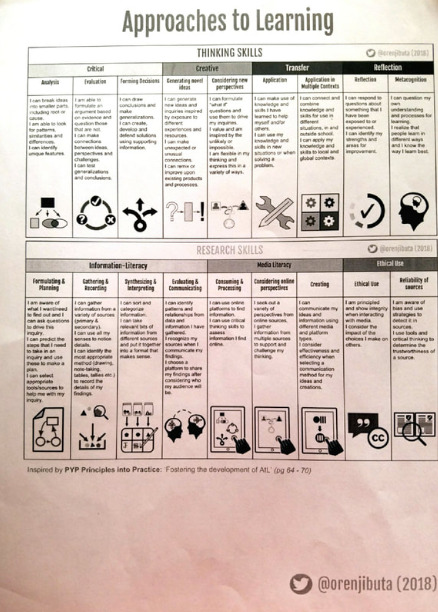
After we discussed how to use technology at different ages, and how technology can affect students positively and negatively, we made connections with the ATLs. We saw how technology can be used to enhance different approaches to learning, to help students and teachers by giving them skills that can be useful in class and for life.
Feedback under my professional learning
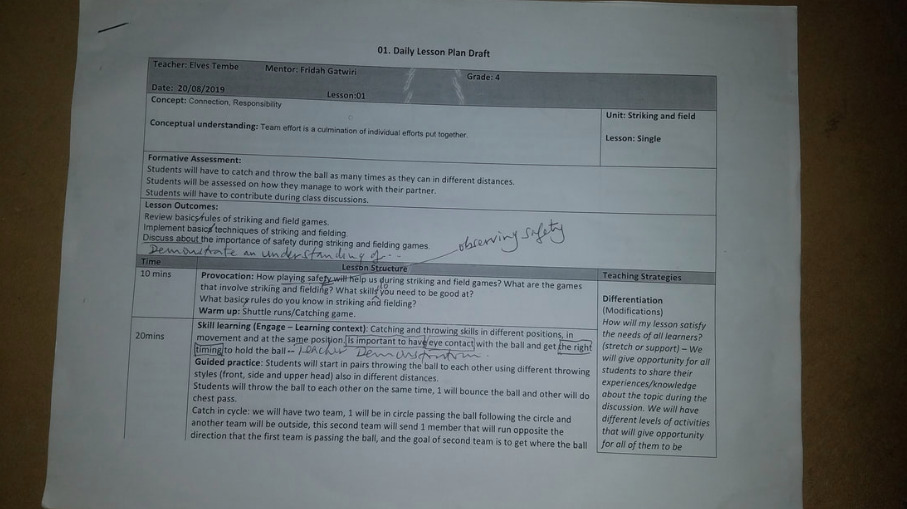
After discussing with my mentor about the lesson plan above, I also took the same plan and discussed it with another teacher who also gave me feedback to improve my planning, sharing different ideas and options that I can use in future planning. It was very productive and it helped me to build my confidence during planning.
Lesson observation
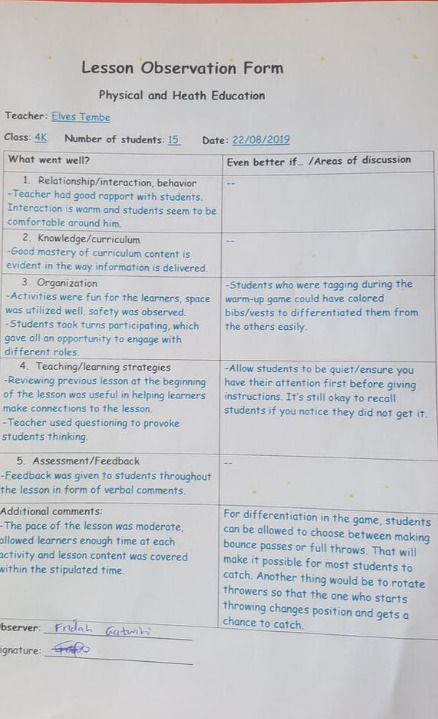
My mentor observed me teaching and gave me feedback. In this lesson my outcomes were:
- Understand the importance of batting
- Implement the batting techniques in pairs
- Implement the batting technique in a game situation
To differentiate the tasks I divided the skills into different levels to give the opportunity to all of them, and they worked with others to share their knowledge.
The lesson went well. I felt that I achieved my learning outcomes and the students were engaged during the lesson, and they managed to work together supporting each other.
Being observed and given feedback was good and helped me to open my mind and be flexible during the lesson. An example is the feedback I had about differentiation in the game: I was so attached to the game that I didn't even think to make some changes so that the team could have the opportunity to score more and change position. After this, in each game I plan, I will make sure that if I observe the students struggling with something, I will be ready to make changes to facilitate them and give them opportunities to play different roles.
I will keep focussing on good points, also to make sure I maintain them for all the lessons I will be teaching, and keep researching to have more strategies to apply during my lessons.
My development in different areas of sport
Inset (cricket and rounders)
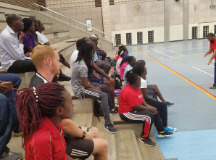
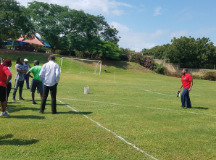
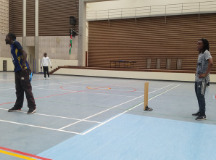
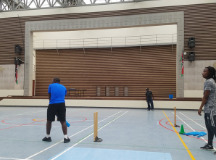
An Inset day is an expression we use to refer to a training day, also known as a Teacher Development Day or Professional Development Day, where teachers from different private schools came to the Academy to learn and refine their skills on cricket and rounders.
This opportunity came at the right time for me. In my country (Mozambique) we don't play these sports in schools or universities, so this was my first contact. I was already teaching a unit related to these sports (striking and fielding games) and had worked with my mentor beforehand to get the basics, and I researched to know more about the sports. This inset came to reinforce my skills and knowledge about the games. It was very useful to interact with different teachers and the instructor; I could ask all the questions I had and had a chance to play with them, which helped me to be more confident in class. The pictures and videos below show examples of the result of the knowledge I got during the inset, and now I even create my own striking and fielding games and share them with my colleagues.
Striking and fielding games in my lessons
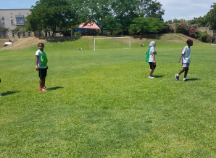
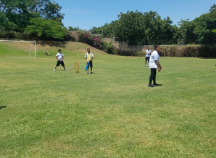
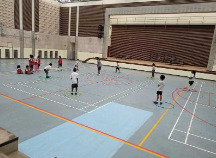
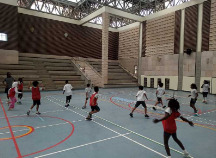
Students in Year 6
- Playing Catching game
- Playing Diamond Cricket
Students in Year 4
- Playing Circle passing game
- Playing Bat and Fielding game
Street racket
The new, coordinatively valuable movement game with racket and ball can be played alone, in pairs or in groups. The quick success experiences and fast progress provide a lot of motivation for young and old. One of our colleagues from the department had the opportunity to learn this game during a workshop in Italy and he shared it with us. It was fun and easy to learn, and it is a good game that I will use in my lessons. For more information about the game you can click here: Street racket.
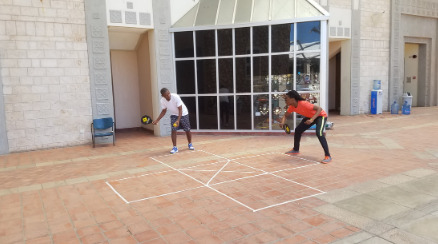
- In the video, we have PHE teachers playing, from left to right: Elves, Marcelino (who introduced the game to us and taught us the basics), Jackson and Fridah.
- In the picture it's me and Marcelino.
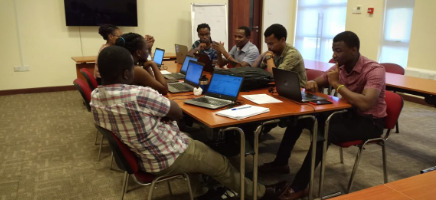
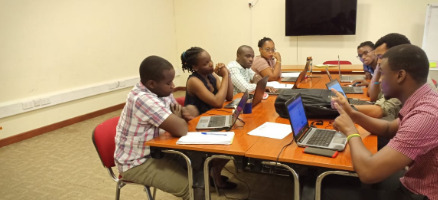
PBL — Team Mombasa 8 (4 Mozambicans + 4 Kenyans)
Problem-Based Learning (PBL) is a teaching method in which complex real-world problems are used as the vehicle to promote student learning of concepts and principles as opposed to direct presentation of facts and concepts. In addition to course content, PBL can promote the development of critical thinking skills, problem-solving abilities, and communication skills. It can also provide opportunities for working in groups, finding and evaluating research materials, and life-long learning (Duch et al, 2001).
This group is an example of a lot of the things we have been learning in IB (intercultural understanding, how to deal with people with a language barrier, multilingualism, ...). Even before we went through the PBL sessions, by being together we were learning from each other, and we live these terms I just mentioned.
Swimming
Learning breaststroke with my mentor.