Differentiated teaching strategies
Literature review
Differentiated instruction is a way of thinking about and approaching the planning and implementation of curriculum and instruction that acknowledges that individual learners may have different levels of aptitude, achievement, interest, motivation, needs and ability. To differentiate instruction requires intentional planning to make the curriculum, instruction and learning environment meaningful and appropriate for each student. Studies reviewed that, differentiated classrooms recognized and accommodated diversity in student learning needs by offering multiple avenues and options for students to access curricular content, make sense of concepts and skills, and demonstrate learning. (McQuarrie, McRae, & Stack-Cutler, 2008)
Differentiation by Support
During this class, I had this student that couldn't swim, so I differentiated the task so that I can help him to develop his skills and make sure all students are learning during the lesson. it's important for us as teachers to respect the differences and provide different techniques that can help students to meet their goals.
I believe that supporting my students is important for their development of learning. Learning is enhanced when it is more like a team effort than a solo race. Good learning, like good work, is collaborative and social, not competitive and isolated. Working with others often increases involvement in learning. Sharing one’s own ideas and responding to others’ reactions improves thinking and deepens understanding.
And by supporting them will help them to understand that they learn better with someone than alone, and I will inspire them to support others the same way I support them.
Differentiation by resources
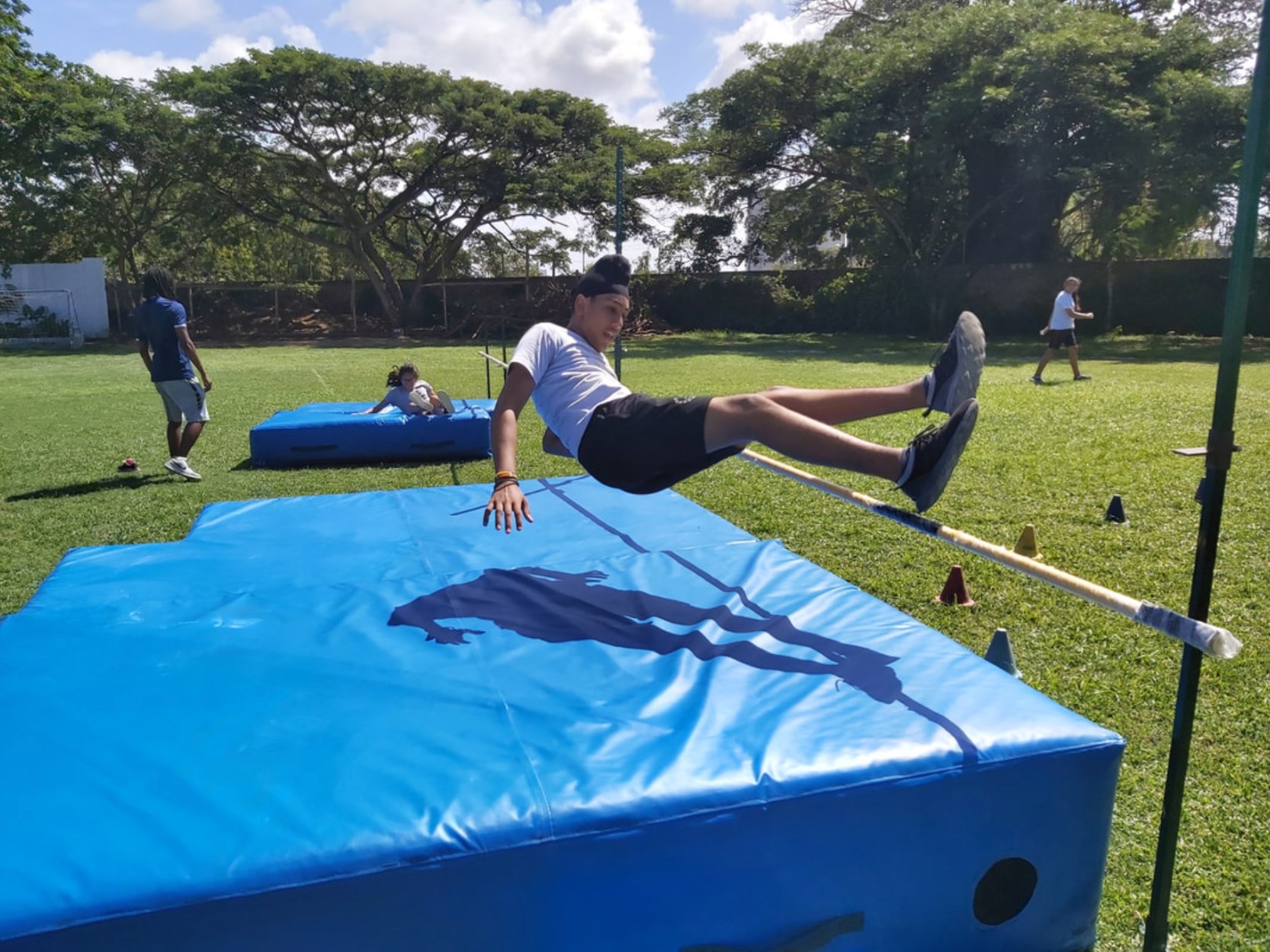
Using different resources made me support different levels of students. My class has students with abilities to jump high, others are still improving, so during the lesson, I make sure they all engage by giving them a chance to work in an environment that they challenge themselves. In this case, I had two stations with different hights.
Using different resources to accommodate all students
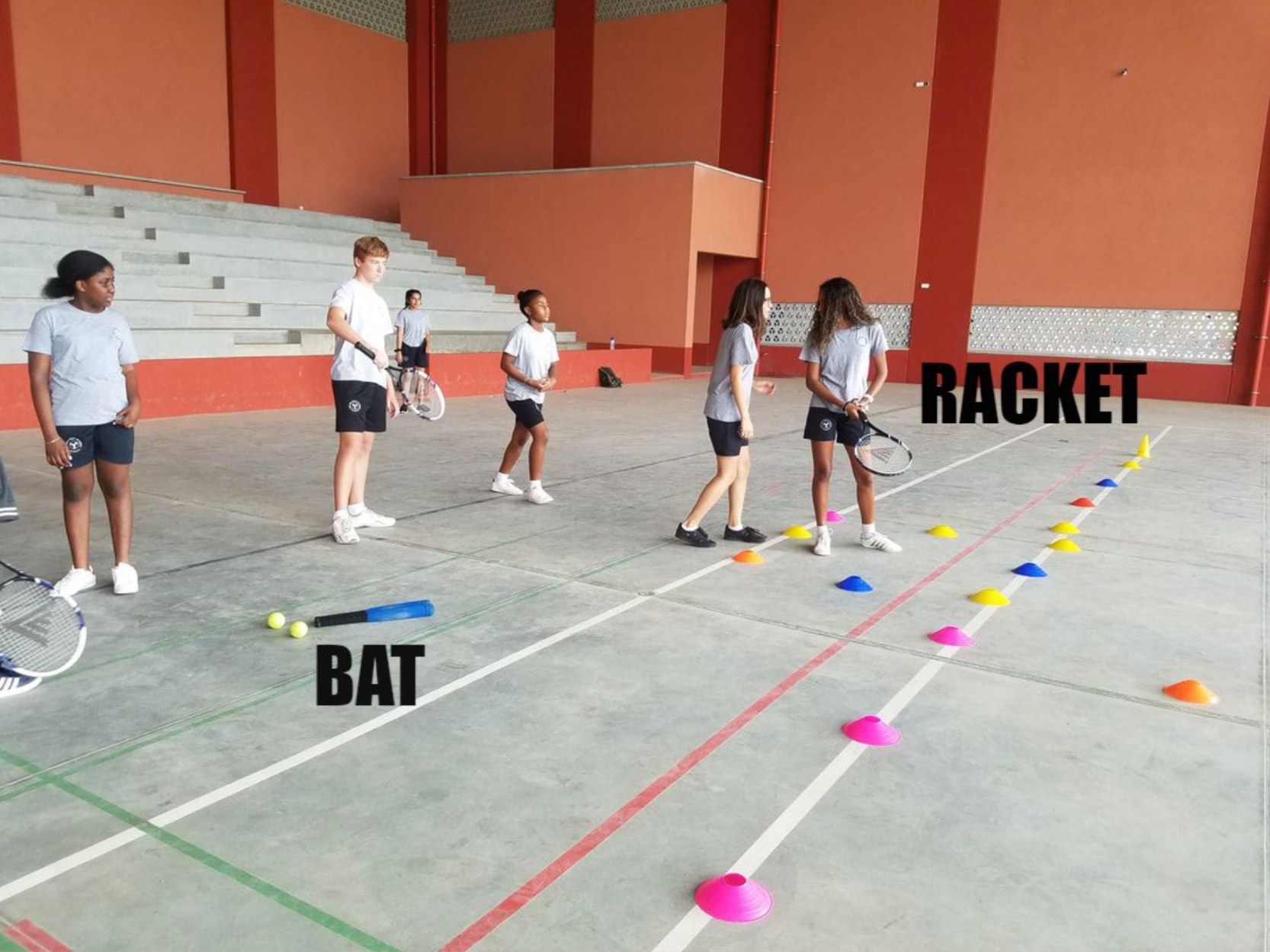
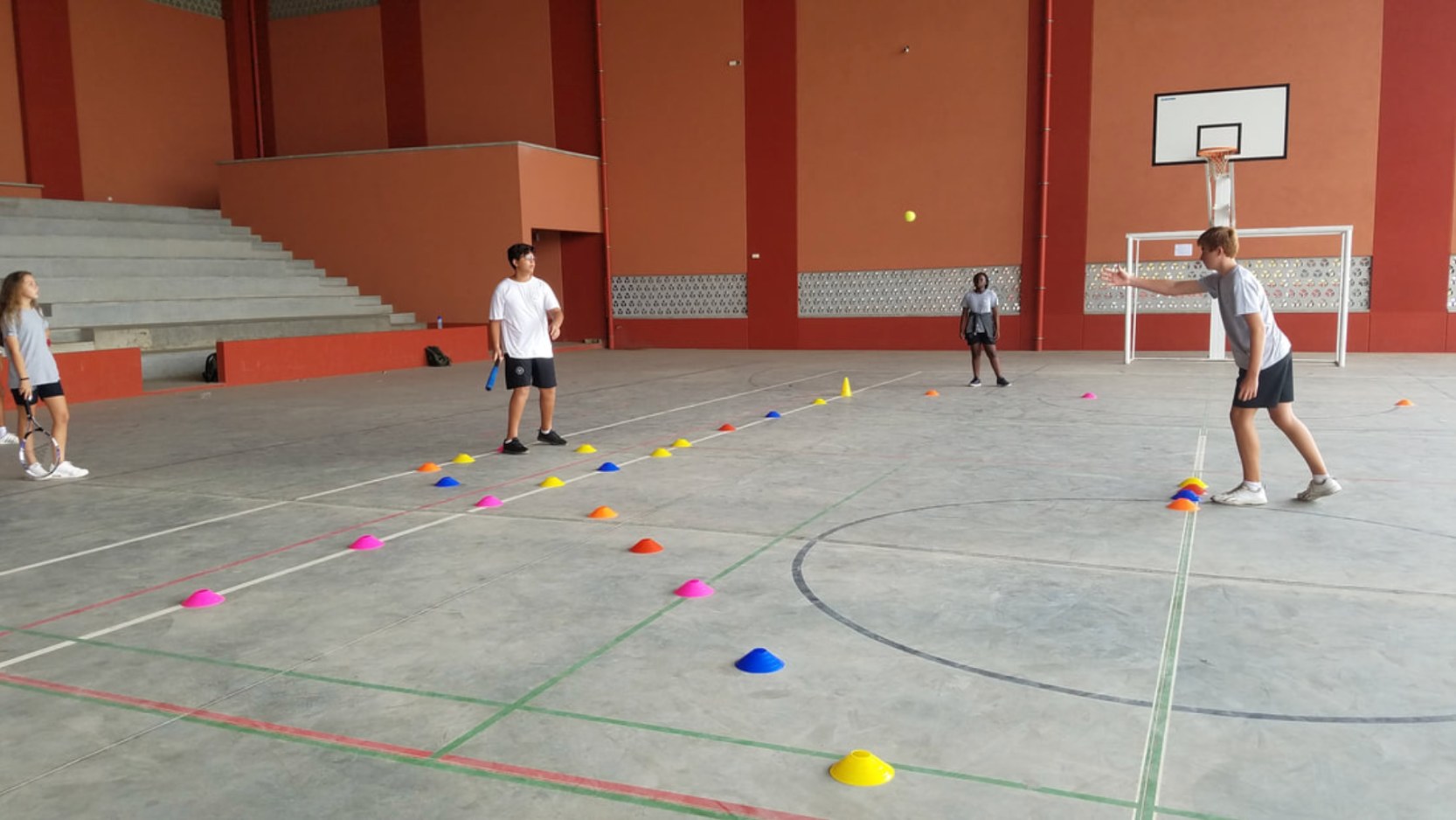
For striking and fielding games ( rounders) to meet the different needs of my students, I make sure I give them choices to accommodate the different levels they have. As we know for rounders we use a rounders Bat. But during the lessons to build confidence on students I add a tennis racquet so that they all can have success while they are bating. This will help me to focus on other aspects while I am teaching, avoiding them being worried about missing the ball, while they are using racket I will focus on the grip and body position. They have a chance to try both ( racket and bat) in the process of learning, and in a game situation, they choose the instrument they feel more comfortable.
Inclusion
Some of the students come to the lesson without PE Kit, with different excuses. I make sure they are involved in the lesson, according to the reason I give them a different task to do. In this case, one of the students without the PE kit is the referee.
Level of students
During my lessons, to achieve a certain objective, Example: teaching bases in football, I create groups where students more qualified in a certain technique share experience with their colleagues. So they end up teaching themselves something. Because the communication between them is more effective, learning takes place more efficiently.
I believe that giving students the opportunity to be independent and create something original contributes to their mental development, communication and ability to work as a team. In this case, groups were created with students of totally different skills whose aim was to create a game. It is possible to verify that the students had difficulty explaining the rules of the game to their colleagues, which also ended up creating an opportunity for them to reflect on what went wrong in order to improve in future opportunities.