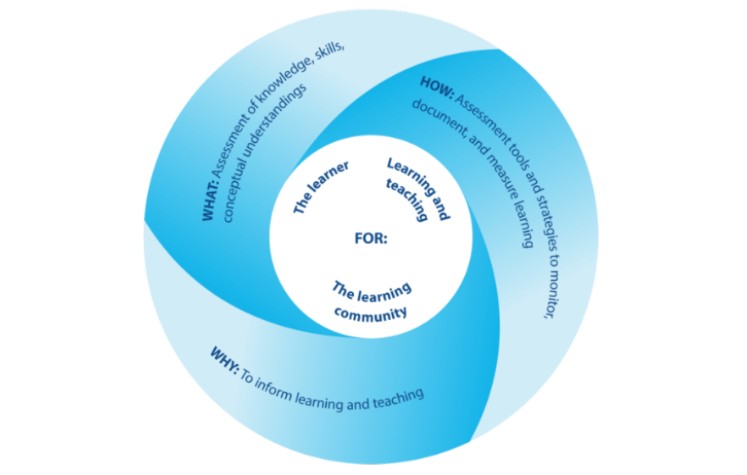
The principles of assessment
PYP Learning and Teaching Book
Assessment in PYP
Integrated assessment: All IB programmes are informed by assessment, as indicated in the IB approaches to teaching. While assessments look different in each programme, all IB assessment methods are varied and fit for purpose. Assessment is central to the Primary Years Programme (PYP) goal of thoughtfully and effectively supporting students through the acquisition of subject-specific knowledge and skills, the understanding of concepts and the development of approaches to learning. The development of knowledge, conceptual understandings and skills requires that both teachers and students demonstrate assessment capability.
How does assessment drive learning?
The assessments are meant to help students believe that they are capable thinkers, by giving them open tasks, observing and constructing new learning with them. As a teacher, I assess the students to help them improve by using the information I collect in formative or summative assessment.
At the end of the unit, students shared what they have learned, understood and what they have been able to do. They also identify areas where they can apply the knowledge, skills, and attitudes gained throughout the unit.
MYP: Principles into practice
Principles of MYP Assessment
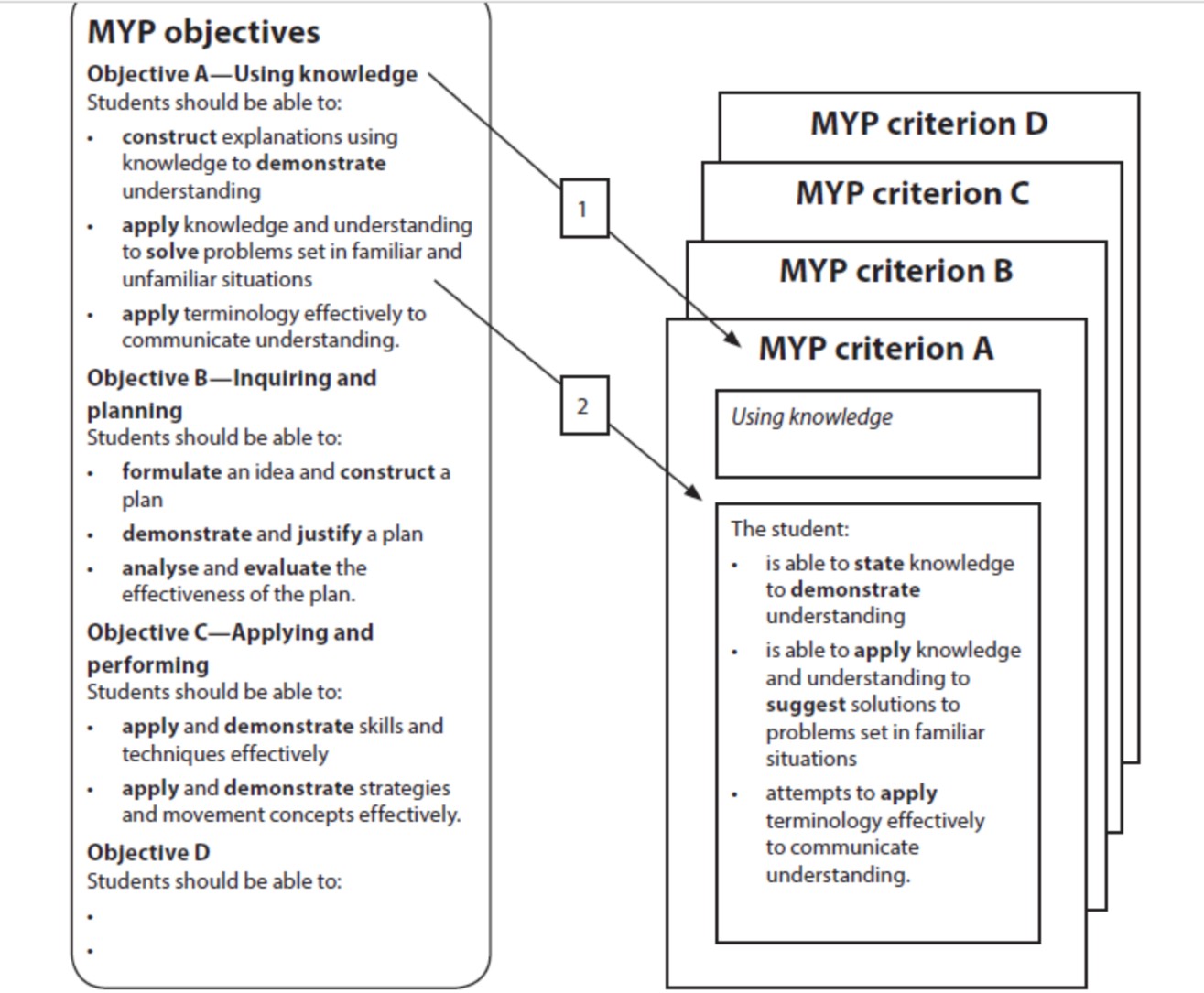
Assessment is integral to all teaching and learning. MYP assessment requires teachers to assess the prescribed subject-group objectives using the assessment criteria for each subject group in each year of the programme. In order to provide students with opportunities to achieve at the highest level, MYP teachers develop rigorous tasks that embrace a variety of assessment strategies.
What are key areas to consider when planning for the success of all students?
One of the key points is setting goals for each student in the class, deciding on actions to achieve those goals, and mobilizing the resources needed to take those actions. It's important also to describe how goals will be achieved through the use of available resources — setting goals for each student helps me differentiate the task and assessment.
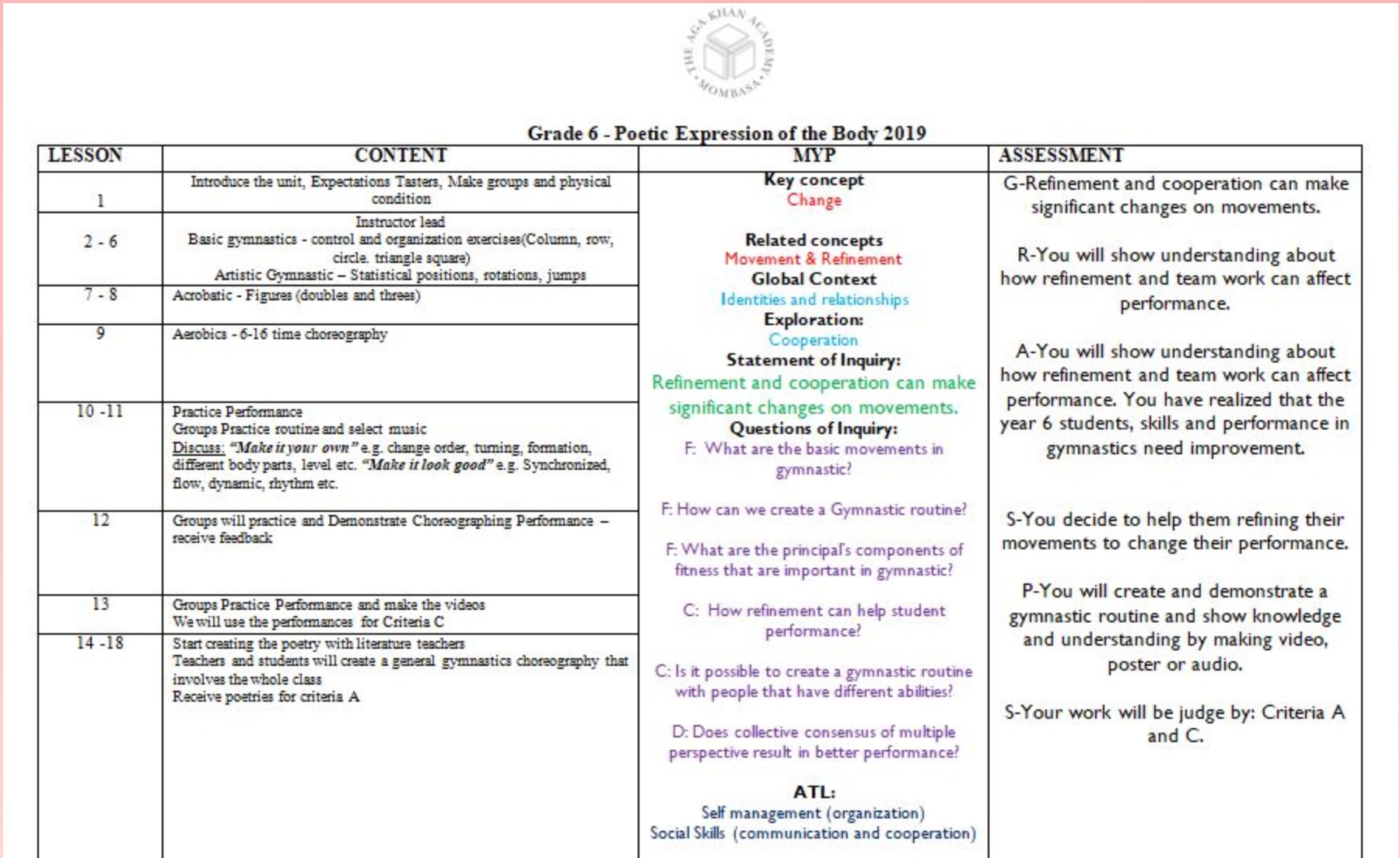
Through this process I also have to consider student engagement, communication and culture, and as a teacher, innovation is one of the fundamental keys during planning and implementation to make sure I achieve the goals. I also have to make sure our assessments are connected to our statement of inquiry.
Year 6 unit
Formative assessment
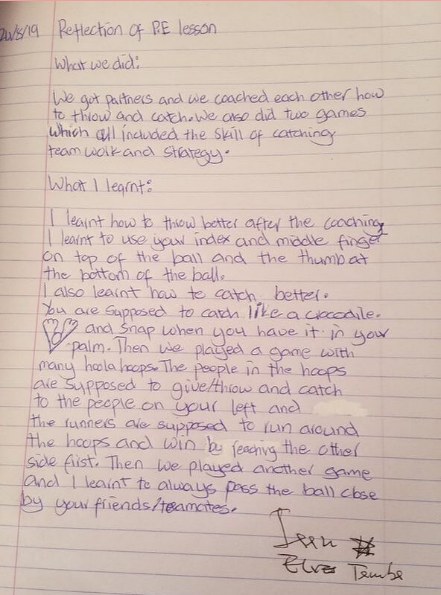
In my lessons with Year 6 I use reflection to collect information to help my students; through reflection they share their strong points and areas they need to improve, so I use this information to plan my future lessons according to their needs.
Summative assessment
Connected to the unit, as a summative assessment I asked students to create a game related to the unit, where they chose resources to use and created their own rules, strategies and scoring system. From this assessment I realized they implemented different skills learned during the unit — they brought original games that included striking and fielding skills. I will use this example to reinforce my teaching philosophy: in this unit I learned from my students, and I will make sure I use their games for PYP students too. We learn from our students, and they learn from each other — in this way the process of learning is made.
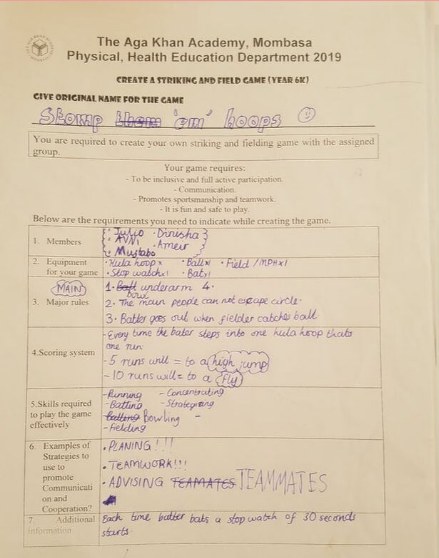
Recognizes the importance of assessing the processes as well as the products of learning, and aims to integrate and support both through formative and summative assessments.
My understanding about overall level of achievement (OLA) determination
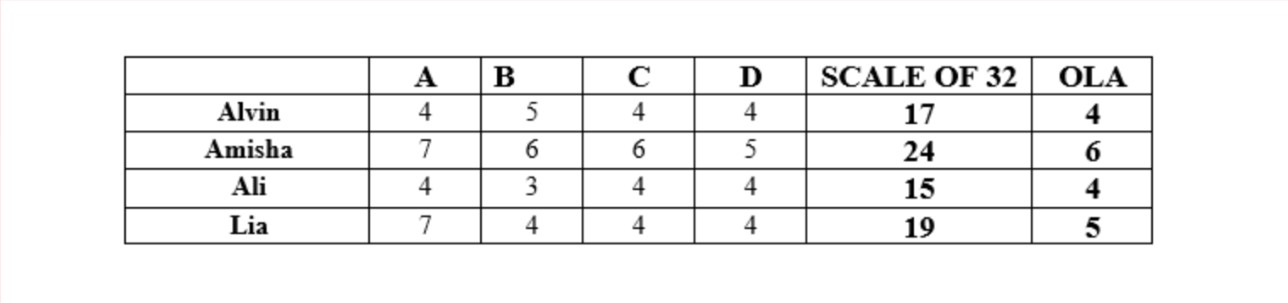
To give a final grade in each criterion I look at the different assessments I gave the student — formative and summative — and according to the grades the students have, I give my final grade using my professional judgement.
For the overall level of achievement (OLA) we determine results for all PHE criteria and compare the final result the student will get with the grade boundary tables. See the attached document, A guide to MYP assessment, for more details.
Sample of how I report to administration and parents/guardians
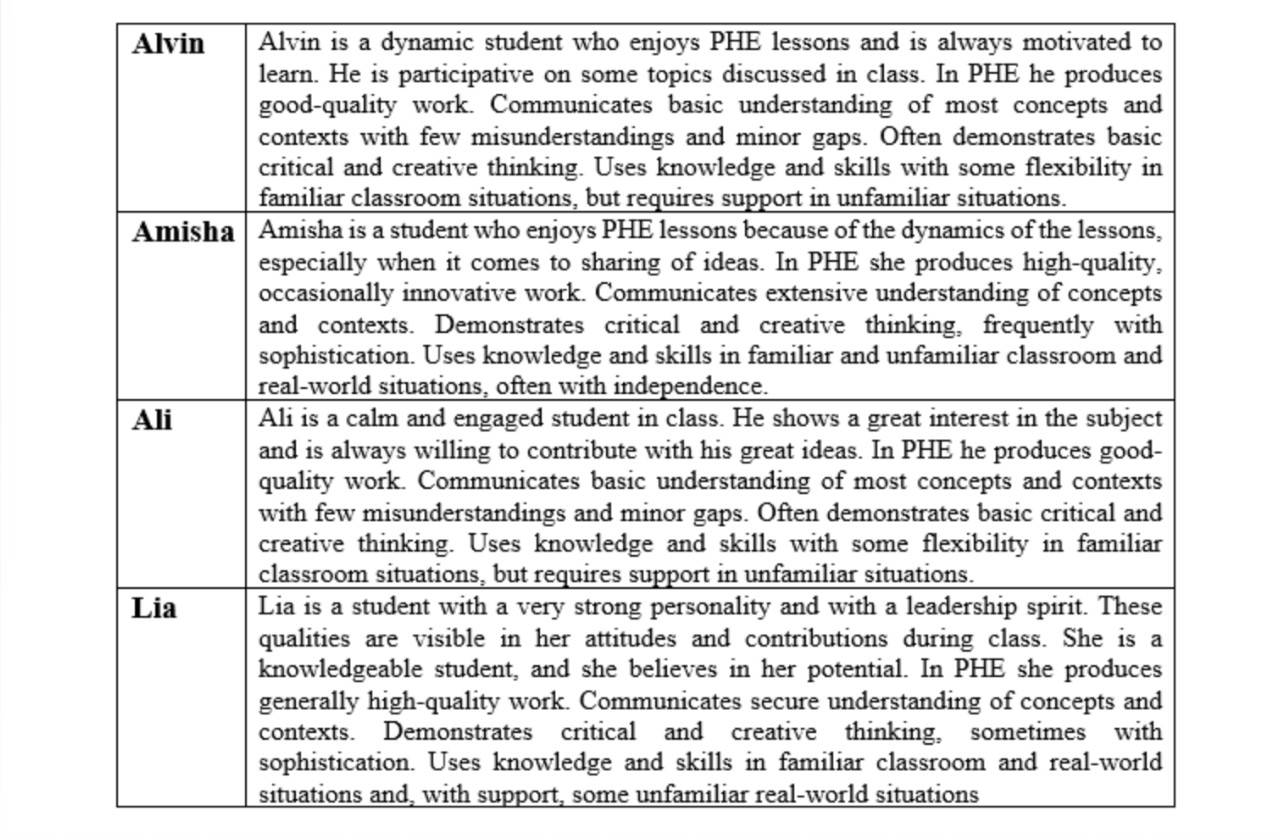
Year 6 Reports — my students from Mombasa
Student sample assessment grid
In a sample assessment grid, I show term grades for all criteria. At the end of the year, based on the best-fit of all assessments throughout the year, the student gets one grade for each criterion. For example, if criterion A has been assessed 5 times and the student received 4, 5, 6, 6, 6, the best fit is 6, showing the student's progression.
It is very important to use professional judgement for the students' best fit. The IB recommends paying attention to:
- Patterns in the data, such as an increasing level of performance
- Anomalous or unexpected achievement levels
- Other influencing factors
Final Grade Boundaries
After inputting the best-fit grade for each criterion at the end of the year based on my marking, it is converted to an overall grade in line with IB grade boundaries, and reported to administration and parents/guardians using MYP general grade descriptors.
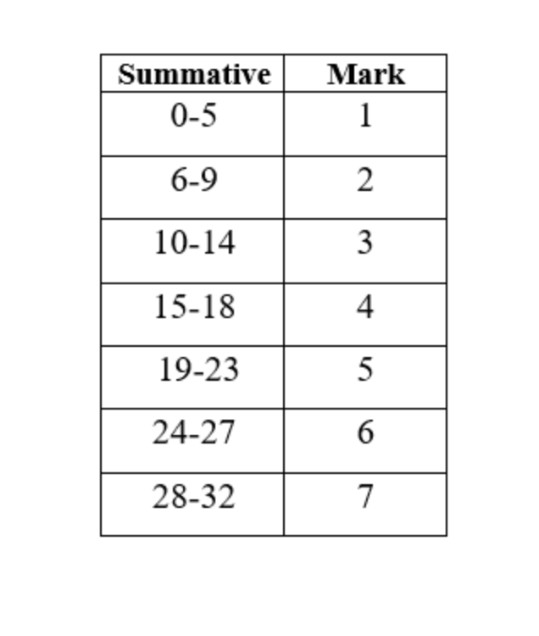
Sample of how I would report to administration and parents/guardians using MYP general grade descriptors