What is conceptual understanding?
Lynn Erickson (2012), defines concept-based curriculum and instruction as a three-dimensional design model that frames factual content and skills with disciplinary concepts, generalizations and principles. The critical elements that require a concept-based model are intercultural understanding and international-mindedness, the ability to transfer knowledge and a rigorous intellectual model that is emotionally engaging and motivating.
How is a concept-based curriculum beneficial to student learning?
Ericson, divided the benefits to a concept-bades model fits into 3 Areas:
Thinking - It requires thinking students who draw on critical, creative, reflective and conceptual thinking abilities.
Intercultural understanding - It develops intercultural understanding and international-mindedness through conceptual transfer.
Motivation for learning - It recognizes that intellectual and emotional engagement are essential to the motivation for learning.
My understanding about conceptual understanding
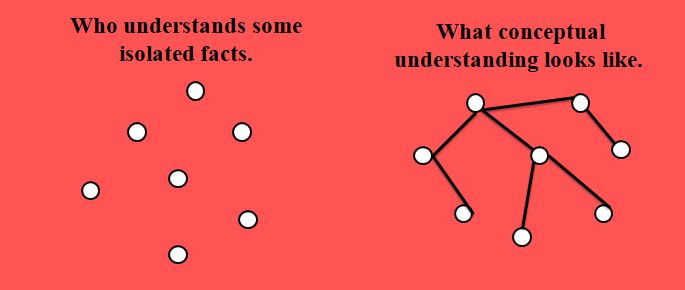
After my research I realized that conceptual understanding it shows that there is no one way of learning things, we can always connect what we know with new experiences, a teacher or a student with a conceptual understanding they organize their knowledge into a coherent whole, which enables them to learn new ideas by connecting those ideas to what they already know. Conceptual understanding is knowing more than isolated facts it is also knowing connections between those facts and having those facts well organized.
How have I incorporated concept-based learning into my teaching practice?
At the current unit (Basketball) with year 10, I taught principles of training, and students are using these principles to come with a training program, while they are designing there training program they need to take into consideration and individualizing them. They can use principles of training (overload, progression, specificity, variation, reversibility) in every sport and the ability to be able to use this knowledge in different sports that show conceptual understanding.
In these videos students are applying knowledge of principals of training in their sessions. In the first video, the coach is focusing on a component of fitness that is related to skill, to help his client to improve off his dribbling, so he made connections with components of fitness and principals of training (Coordinations and specificity) so that he can have good results on his session. In the second video, we can see different approaches but with different components of fitness, the coach realizes that the client needs more strength on the legs to be able to do the skill that she is training the client ( shutting) so she focuses on muscular strength before the skills. This shows that after the students get the concept they can play with it the way want for better planning and suitable form them. And using this knowledge they call to make a difference in the community.
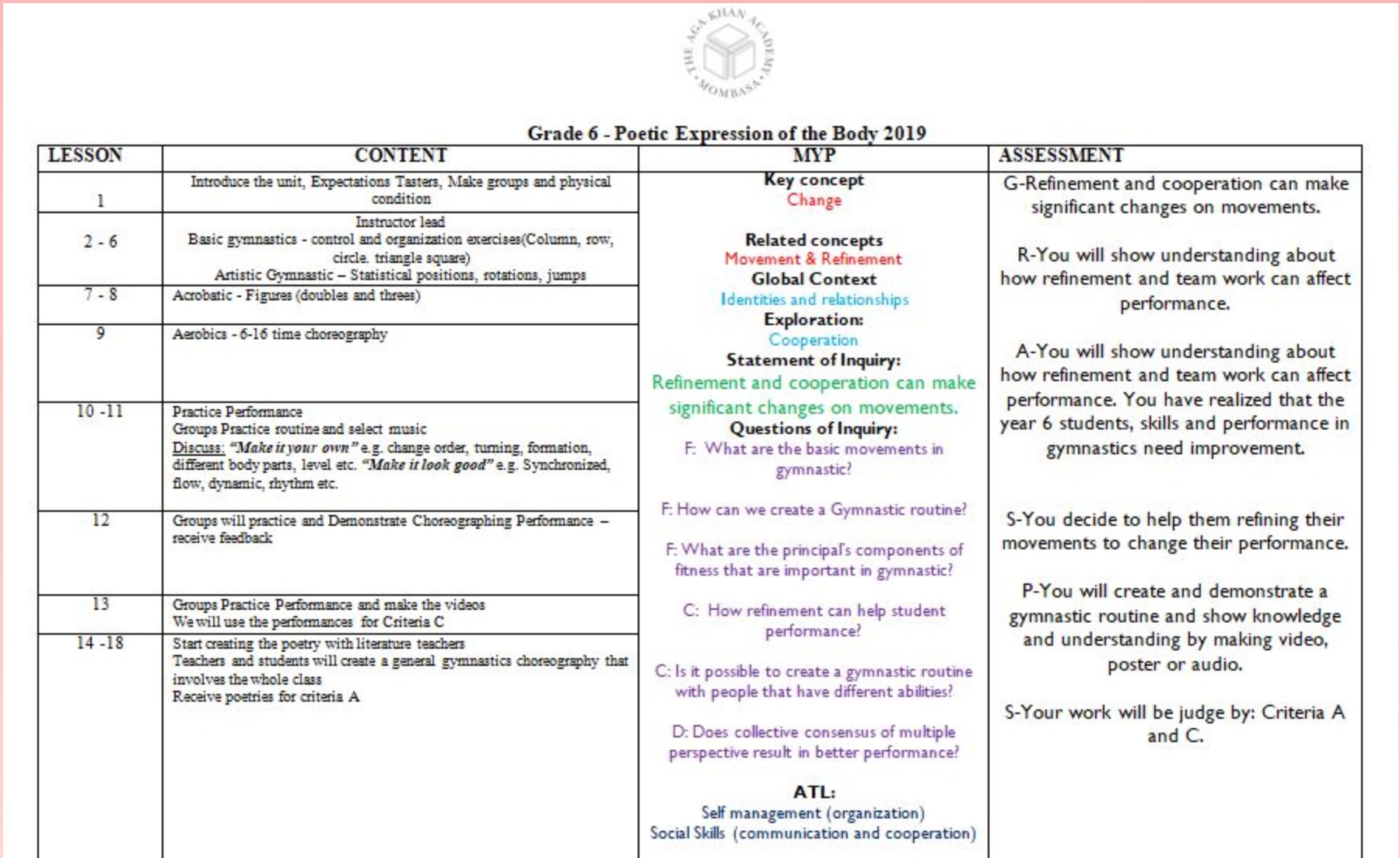
Evidence of planning based on themes and/or key ideas
Collaborating with collegues to ensure curriculum articulation
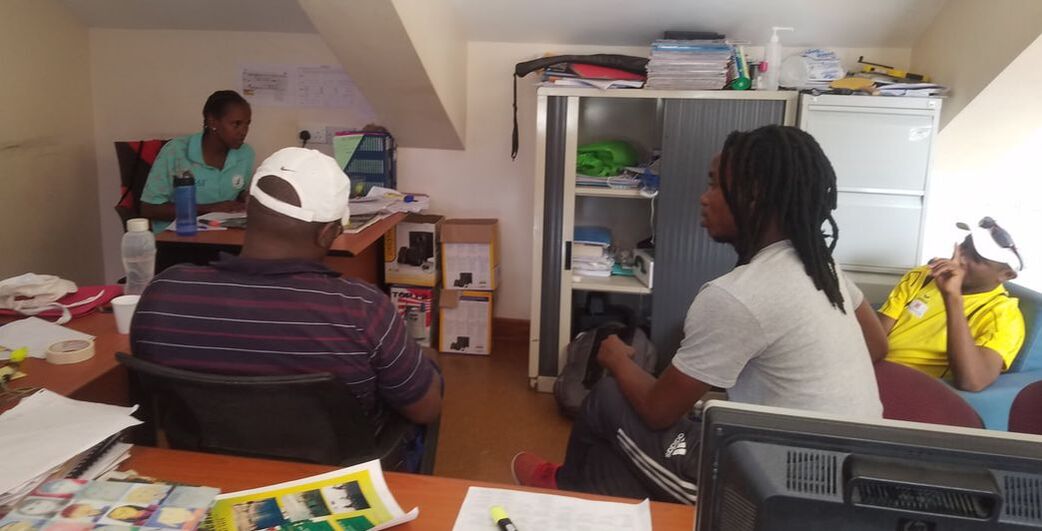
We have specific hours where teachers from the same Year group come together to plan for the lessons, and we have one hour that all teachers come together for planning to ensure curriculum articulation. During our planning its a moment of learning and sharing experiences based on what we leave with students and our previous knowledge, we share ideas and we suggest changes that bring improvements in our lessons and interaction with students. In collaborative planning we work towards a unified approach to student assessment and evaluation.
Collaboration planning for guiftedness students
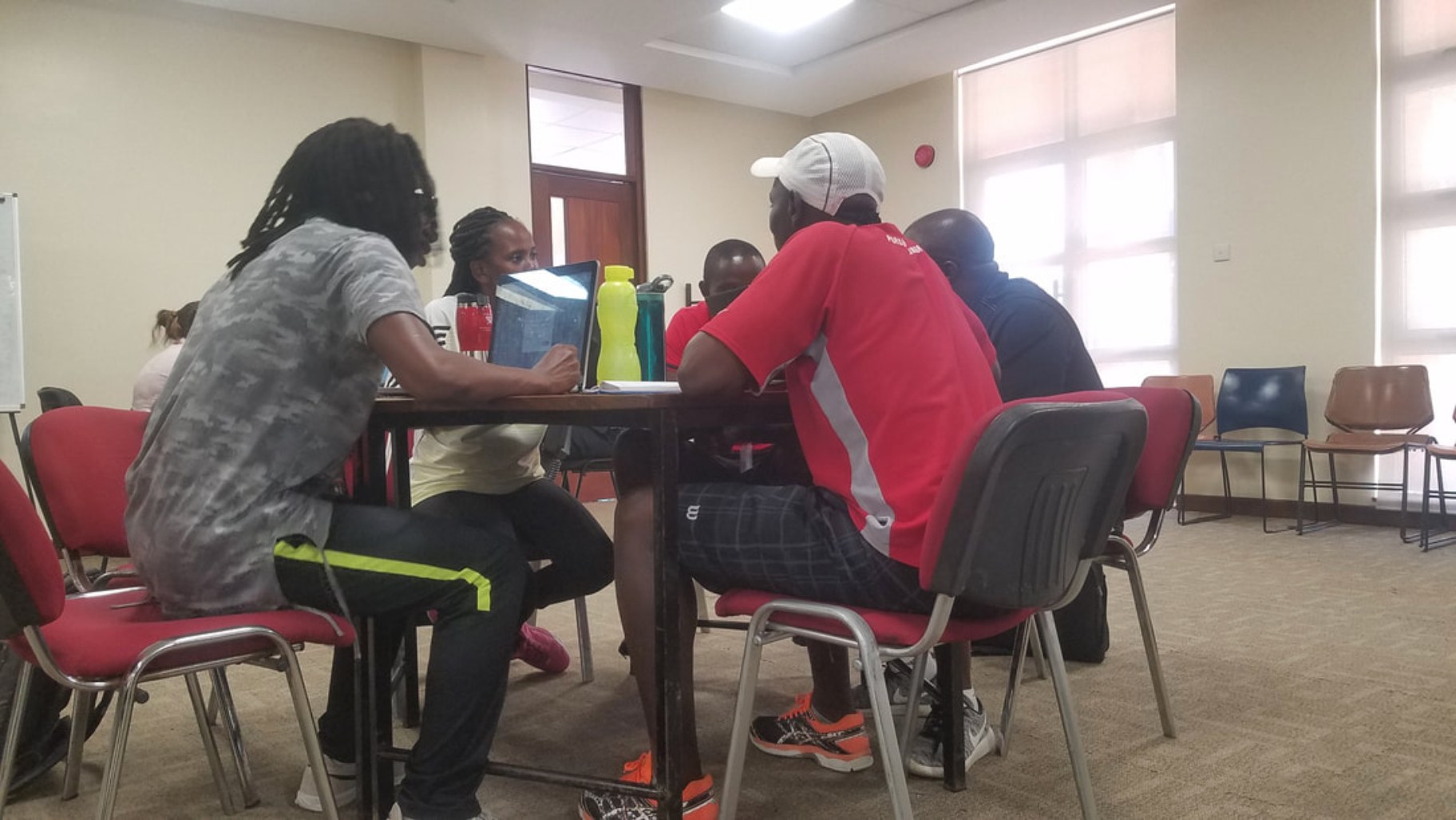
Planning based on key ideas