IB mission statement and philosophy to teaching
IB mission statement
The International Baccalaureate aims to develop inquiring, knowledgeable and caring young people who help to create a better and more peaceful world through intercultural understanding and respect.
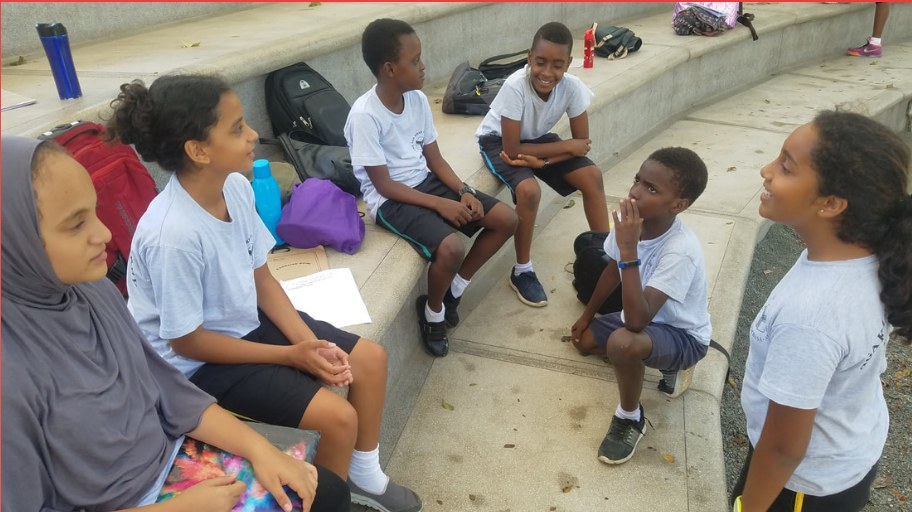
During PHE lessons I use inquiring based learning, were I develop questioning skills that student applies during their own discussion to make sure that they communicate with colleagues by learning from each other.
I bring real-life scenarios that students need to analyze them and share their experiences to solve different situations, where also they use advantages of coming from different background to share different experiences
IB’s programmes as a continuum of learning
IB professional development for the continuum helps educators facilitate the articulation between programs, builds understanding and share best practices that promote intercultural understanding and global engagement and develop practical ways to integrate the IB learner profile in and beyond the classroom.
In PHE I make sure I align the units, in both programs PYP and MYP to make sure I make the process of learning continuum using horizontal and vertical planning to organize our concepts and make sure students get to do different units during the year and they develop different abilities that will be useful in other years. I always make sure students connect the new knowledge with the previous one so that they can make a relationship between what they know with new experiences that they will challenge them during the years.
Personal philosophy and pedagogy with IB programmes
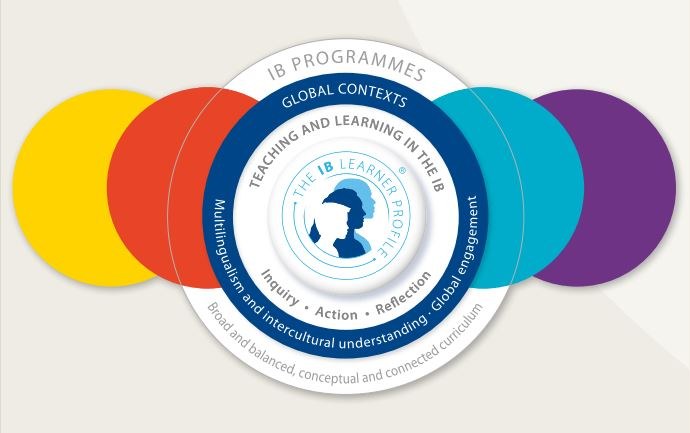
The IB programs focus on approaches to learn that improve the quality of teaching and learning across the programs, and these approaches align with my beliefs in education, these concepts are key components in education. Teachers and students with a good level of communication skills, thinking, social, research and self-management skills will have a common language that can use to reflect on and articulate the process of learning.
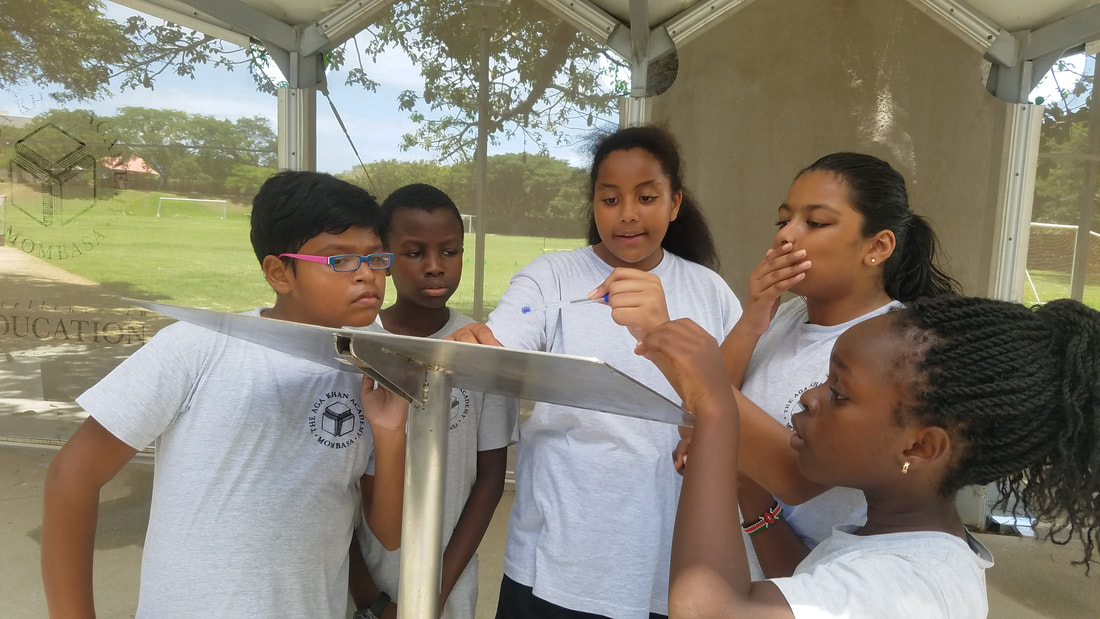
On this unit of striking and fielding games, one of the assessment criteria that will be assessed is planning for performance where each student had a task to create a game that has striking and fielding skills. In this lesson, I made groups were they shared their games with a proposal to bring all ideas together and come with one original game. All groups were able to come with a game because first they research to come with one game to share with the group, and different approaches were used to make sure they work together and bring results, so this is one of the strategies I use to make sure students develop different approaches to know how to work with different people and be successful.
Internationalism and global citizenry
The IB currently defines international-mindedness as an attitude of openness to, and curiosity about, the world and different cultures. ‘It is concerned with developing a deep understanding of the complexity, diversity, and motives that underpin human actions and interactions’ (IB, 2009).
The IB recognizes that every school is unique and that individual IB schools will interpret international-mindedness in their own way according to their particular setting.
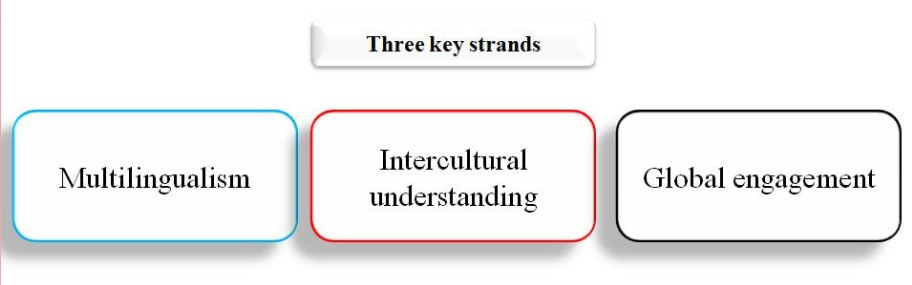
Singh and Qi, 2013, concluded that international mindedness is supported by strands. The first is multilingualism, makes international-mindedness distinct from other global education frameworks. In the context reconfiguration of how we think about languages that take into account the complex linguistic realities of millions of people in diverse sociocultural contexts (IB, 2011 p.8). The second strand is intercultural understanding when students are encouraged to explore and engage with their own values and cultures and to develop respect and empathy for those of others. The third strand is global engagement (Singh and Qi, 2013), defined as the commitment to address humanity’s greatest 21st-century challenges in the classroom and beyond.
My Understanding about international mindedness
After research about International mindedness I realized that the understanding of IM it’s according to the location, what is global or international for some people it might be local. So it is important to be aware of the meaning and importance of being international-minded.
Being international-minded makes you a person with an open-minded about the common humanity of all people and accepts and respects other cultures and beliefs. By were this person takes action by discussing an collaborating with others to help build a better and peaceful world.
The IB describes attributes of IM in the IB learner profile, and this education values the world as the broadest context of learning develops conceptual understanding across a range of subjects and offers opportunities to the inquiry, act and reflect.
Integration of international minded in learning experiences
In general, on PHE I deal with different sports that come across the world, that they are played with students that also came from different parts of the world, and as teacher one of our role its to make sure the students know and understand that fact. Sports bring different cultures together for global engagement.
And the IB program has an exchange program for students and teacher and this initiative develop building up the international-mindedness.
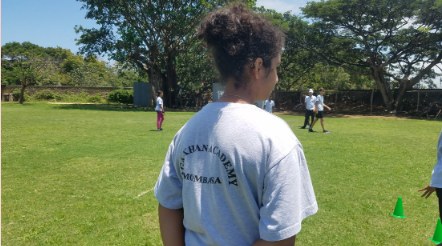
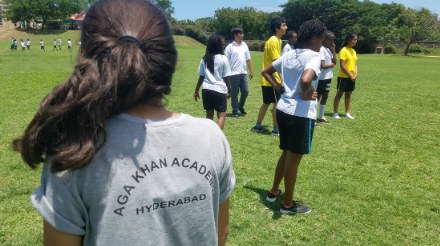
Every lesson I have with my students, I see how they communicate and collaborate with support each other, apart of being a class that its already mixed of different people, with different, believes this year my YEar 9 class also receive 4 students from Hyderabad, in the first day it was visible how they engage with each other, is not visible that we have new students because the way they work together hows how open the students are.
Year 6 unit ( striking and fielding games) - How we integrate IM.
During this unit I asked students to create a game, so this gave them opportunity to be who they are bringing their ideas, their own experiences, after that I asked them to share in groups of 5 people, and then give them opportunity to develop their communication and collaboration so that they can be able to work together for the same propose, The process of this work they are doing will show how open they are, and this will give me information about my class so that can help me to plan as a teacher how can I help them to be more open-minded if I look from the side of the teacher.