Teaching methodologies and the support of learning
Demonstration
Literature Review
Teaching strategies are decisions about organizing people, materials and ideas to provide learning (Nwachukwu 2005). Weston and Cranton (1986) viewed teaching strategies as both the teaching method and the materials used in the process of teaching. Some of these teaching strategies include demonstration,(Giridharan & Raju, 2017).
Demonstration strategy is a method of teaching concepts, principles of real things by combining explanation with handling or manipula- tion of real things, materials or equipment,(Ak- inbobola and Ikitde 2011).
Ogwo and Oranu (2006) affirm that demonstration strategy is the most widely used Teaching Strategy for acquisition of practical skills as it includes the verbal and practical illustration of a given procedure. The authors have further added that the strategy is highly effective because it contains active participation of the student.
Junior school
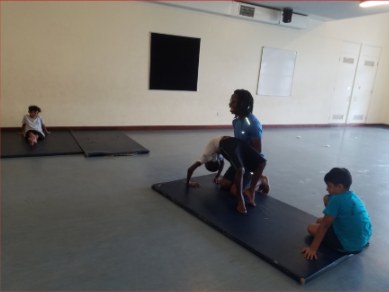
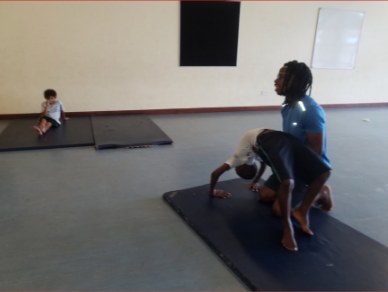
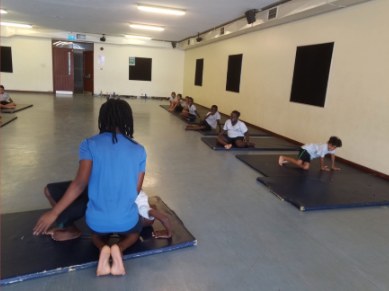
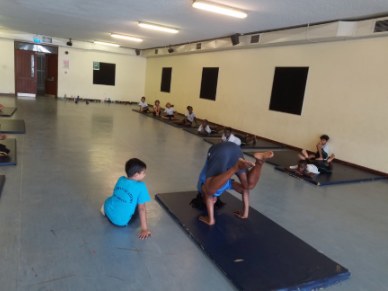
During my lessons I use demonstrations to interact better with the student, when I use the demonstration methods the students respond actively and their observation provides us a good connection with them.
During my lessons I frequently use demonstration, sometimes use students so that they can see that what they about to try is possible especial if is something new. for the bridge I used student to demonstrate and for headstand I did the demonstration first and after that they students that understood first I used them to demonstrate them to others. in this class they learned that, to be able to stand on head is important to have a stable base and for this exercise we used triangle ( made with head and the two hands)
Senior school
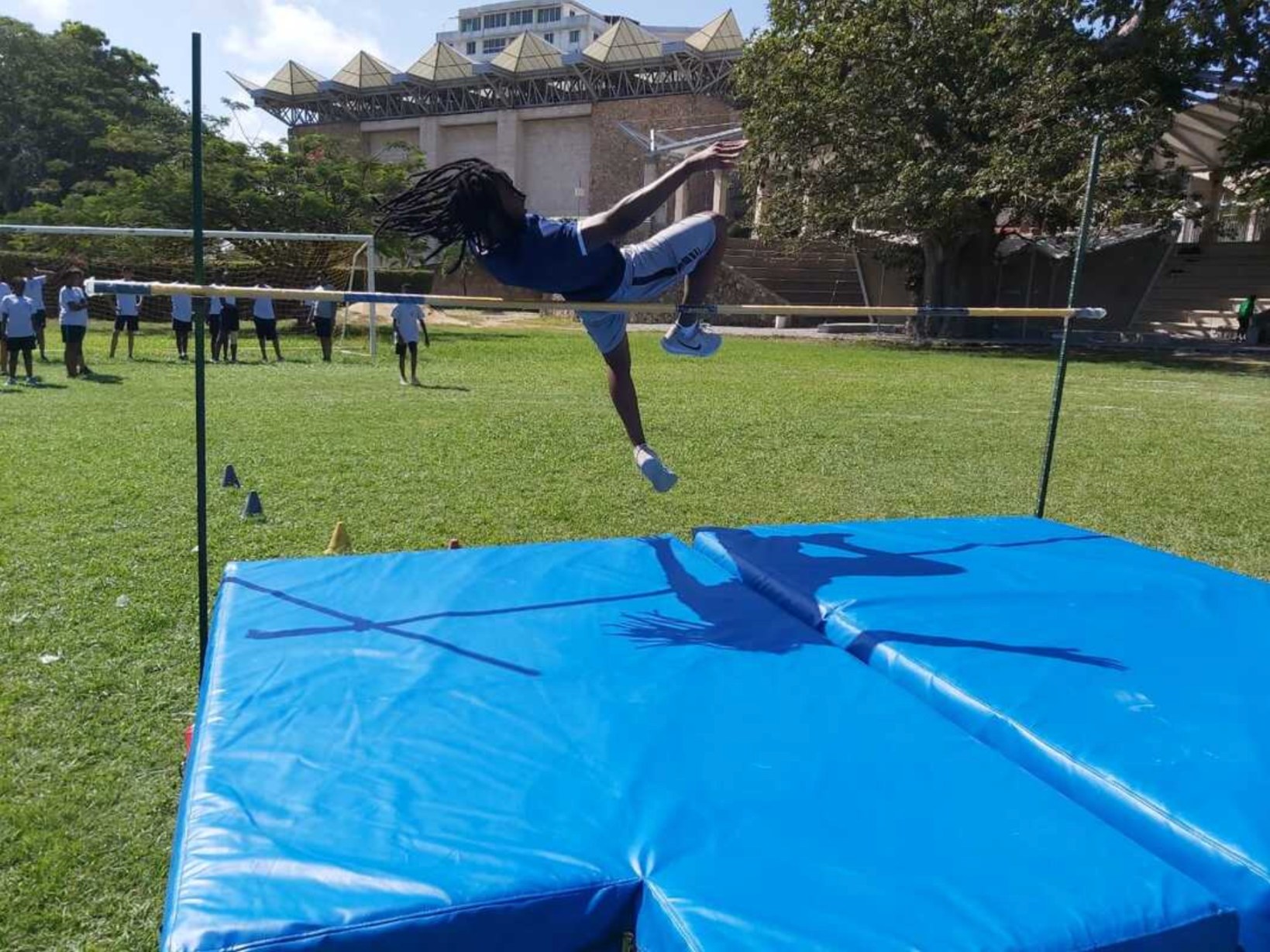
Demonstration develops interest in the learners and motivates them for their active participation in my lessons.
Inquiry
“The key to [inquiry-based learning] is to teach students how to ask their own questions, and to discern good questions from bad questions,” explained Dr. Alan Edmunds, Associate Professor in the Faculty of Education at Western University.
Junior school-Effective collaboration
Litereture review
Working with others helps individuals to learn, whether they are children or adults, and this includes educational practitioners (Black and Wiliam, 2001). This link between collaboration and learning might remind you of ‘social constructivism’, a concept which you may recall from your initial training. Theorists such as Vygotsky and Brunner maintained that we construct our knowledge from our ideas and experiences, including interactions with the people around us.
Using collaboration for learning process
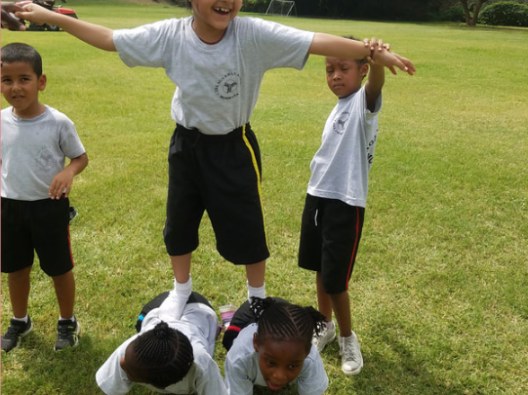
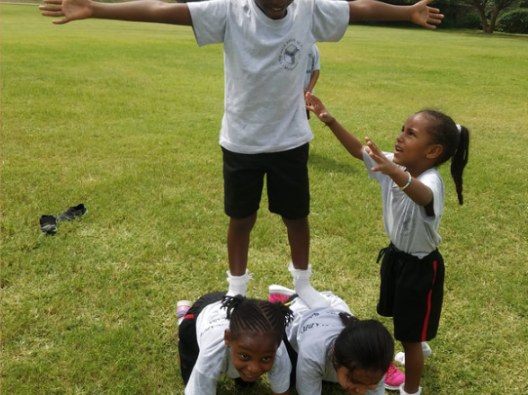
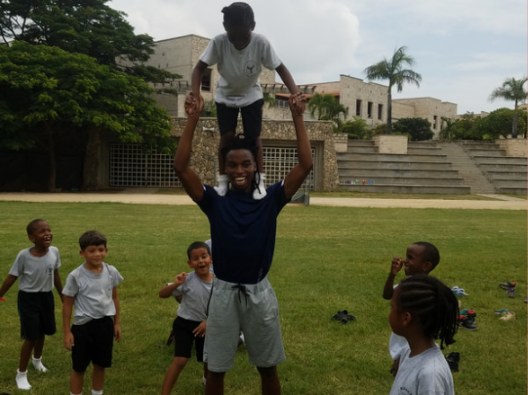
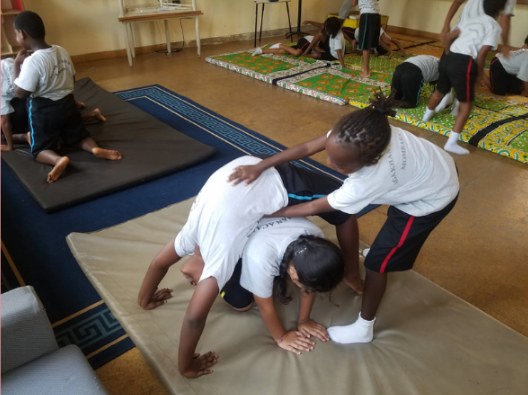
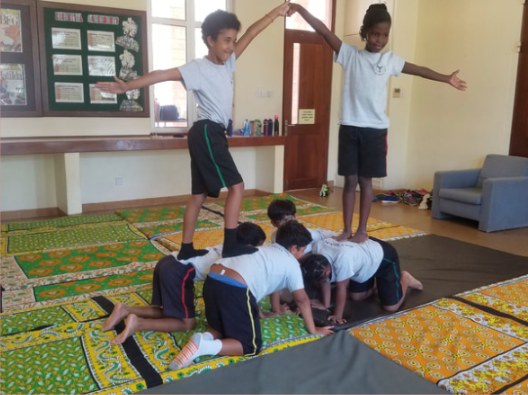
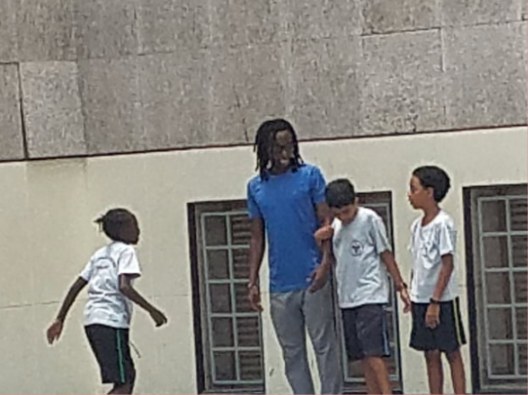
During the lessons I observed, I clearly understand that students when they collaborate for the activities they really enjoy learning and they get engaged. During my lessons, I give opportunities to students to share ideas, knowledge for their own development, when they collaborate their level of participation and interaction is high and that fosters a deeper and more active learning process,
From this I agree with the actors I mentioned before, using collaboration in my classes makes the process of teaching and learning more efficient, and students learn better from each other, as I could observe that in my classes.
Collaboration - MYP
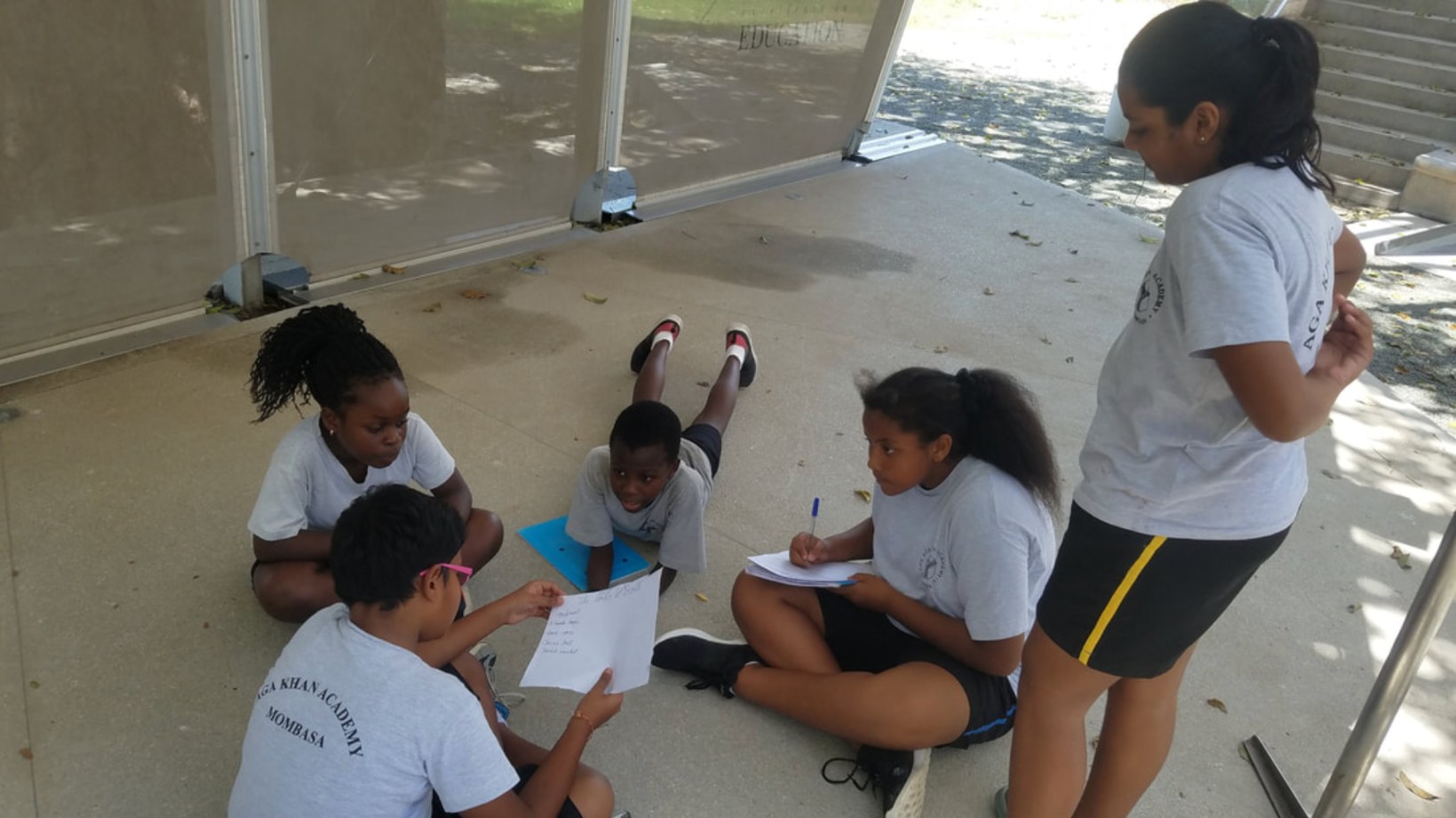
Peer learning
Literature Review
Peer learning in its broadest sense is seen as students learning from and with each other, in both formal and informal ways. It is an instructional strategy in which groups of children under the guidance of the teacher work together through a given instructional assignment with brilliant child, the peer teacher; providing assistance and instruction to others. It is a student-centred approach and a total shift from the teacher-centred or lecture method of teaching. The emphasis is on the learning process, including the emotional support that learners offer each other, as much as the learning tasks itself. (State, Paul, Amanze, & Immaculata, 2018)
Evidence
Peer learning during Hockey lesson
I promote peer teaching in my lessons to give opportunities to students to help other students we believe that this approach helps to develop a greater multicultural understanding and acceptance. When I put students working together they interact easy and they feel free to use language and expressions that they use usually to explain other person and with this kind of interaction, they learn from each other.